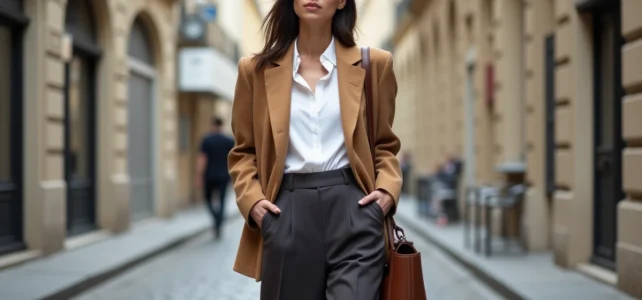
When it comes to fashion trends, most media compile the same shows and the same pieces. What distinguishes one editorial section from another lies in the lens applied to the collections and micro-trends. Aleph Zarro’s fashion section offers a filter focused on cut, structure, and quiet luxury, a positioning that deserves to be analyzed through the stylistic axes it highlights.
Quiet luxury versus ostentatious fashion: two visions that coexist
The distinction between quiet luxury and logo-driven fashion is not new, but it currently structures the majority of editorial choices in online fashion sections. The former relies on the quality of materials, the precision of the cut, and the absence of superfluous decorative elements. The latter bets on the immediate recognition of the brand.
What stands out from current trends is that monochrome outfits and layering dominate editorial selections. Oversized blazers, pleated trousers, and fluid dresses consistently appear in recent fashion publications, whether from major retailers or designer collections.
The selections visible in the fashion section on Aleph Zarro fit into this sober reading, with pieces oriented towards structure rather than ostentation. This editorial choice is consistent with the rise of coordinated minimalism observed over several consecutive seasons.
| Stylistic Axis | Quiet Luxury | Ostentatious Fashion |
|---|---|---|
| Silhouette | Fitted or structured cut, clean lines | Extreme volumes, marked layering |
| Palette | Neutral, monochrome tones | Bright colors, logo prints |
| Key Pieces | Blazer, pleated trousers, fluid dress | Patch jacket, branded bag, collector sneakers |
| Signal Sent | Discretion, quality perceived by touch | Immediate brand recognition |
Micro-trends for Fall 2026: the pieces that appear most often
Among the trends identified for the Fall 2026 season, several categories of clothing clearly stand out in European fashion publications. These are not predictions, but measurable recurrences from one section to another.
- Coordinated striped outfits, worn head-to-toe, are gradually replacing the classic suit in seasonal looks
- Fluid and lightweight dresses, designed for the summer-to-fall transition, appear in nearly all recent fashion selections
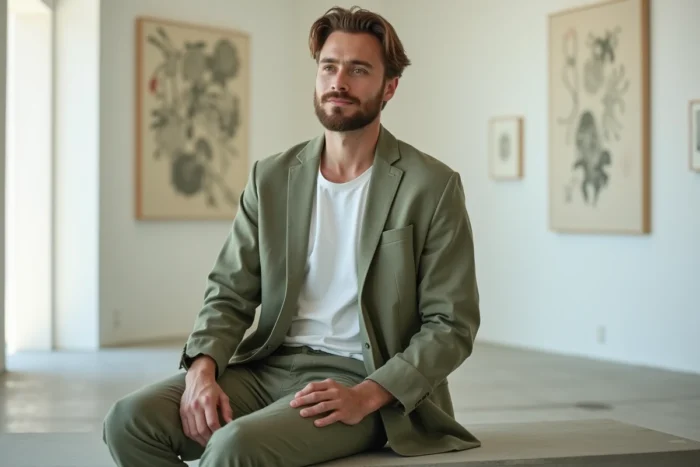
- Monochromatic layering (layering pieces in the same shade) is establishing itself as the most visible styling technique in the latest collections
- Oversized blazers, already present for several seasons, remain a constant, often paired with wide pleated trousers
These recurrences are not anecdotal. They reflect a lasting shift in preferences towards more adaptable wardrobes, where each piece functions in multiple contexts.
The gap between editorial showcase and daily use
A rarely addressed angle in fashion sections concerns the actual use of these trends. A fluid dress photographed in a studio does not account for its behavior in strong winds or on public transport. Comfort and practicality remain the primary purchasing criteria, far ahead of alignment with a trend.
The pieces that survive beyond a season are those that meet a concrete need: breathability of lightweight fabrics in extended summer, adaptability of layering in response to temperature fluctuations in fall. It is in this pragmatic reading that editorial selections gain their value, guiding towards wearable pieces and not just photogenic ones.
Minimalist style and fashion collections: what the cut says about an era
The return of minimalism in fashion is not a trivial cyclical phenomenon. Each minimalist wave bears the mark of its time. The 1990s valued radical simplicity. The current version focuses on coordination and structure rather than erasure.
Recent collections show silhouettes constructed around a maximum of two or three pieces, with a marked attention to proportions. Wide trousers balance a fitted top. The voluminous blazer pairs with a fluid bottom. This play of visual balances replaces the reliance on accessories or prints to create an effect.
The influence of daily life on trends
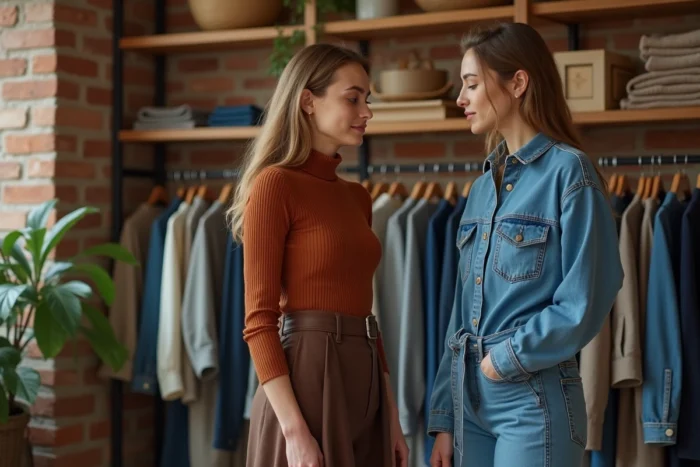
Fashion trends do not only emerge on the runways. They are also shaped by the constraints of daily life. The generalization of partial remote work has changed expectations: people seek pieces that transition from the office to an evening out without a complete outfit change.
Coordinated outfits meet this demand for versatility. A monochromatic look in fluid fabric works in meetings, on terraces, and while traveling. This practicality partly explains why these pieces dominate current editorial selections, including in sections oriented towards inspiration rather than pure shopping.
Fashion inspirations and style history: re-reading collections with perspective
A fashion section that limits itself to listing the week’s new arrivals ages quickly. What gives depth to an editorial selection is the ability to connect a current trend to a stylistic lineage.
The graphic vocabulary inherited from creators like Loris Azzaro, who founded his house in the late 1960s, illustrates this mechanism well. His ultra-feminine silhouettes, built around draping and lamé, marked an era. The style of a house is measured by what remains when the trend passes. The Azzaro house, successively taken over by Vanessa Seward and then Maxime Simoëns, has retained the founder’s boldness while adapting the cut to contemporary expectations.
This type of reading, which connects the history of fashion to current collections, gives editorial sections a guiding function. The reader is not only looking to know what to wear but to understand why certain pieces return and what they convey about the present moment.
The fashion trends for the Fall 2026 season confirm an underlying movement towards structured sobriety. The most visible pieces in editorial selections are those that combine a refined cut, a limited palette, and versatility of use. It is these criteria, more than pure novelty, that separate a sustainable wardrobe from an impulse purchase.