
The name 123santemag is increasingly circulating in forums and groups of French-speaking diabetic patients. This application, focused on coaching and therapeutic education related to diabetes, arrives in a rapidly evolving digital landscape. Free programs offered by mutual insurance companies, connected glucose sensors, and the rise of GLP-1 agonists: the context of 2026 makes it difficult to determine the true value of a paid app centered on daily support.
123santemag and the pressure from free programs in 2026
The market for health applications aimed at diabetic individuals has changed significantly since 2024. Several structured digital programs lasting two to four weeks (video modules, audio, daily exercises) are now offered for free or included in supplementary health insurance contracts.
The Slow Diabetes program, for example, offers 21 days of free practical content for diabetic individuals, including videos, tracking tools, and dietary advice. This type of offering puts a direct competitive pressure on paid apps like 123santemag, which must justify their pricing with measurable added value.
A useful point of comparison to better understand the pricing positioning and features of 123santemag: the page dedicated to the 123santemag diabetes app on Santé au Quotidien details the factual elements available to date regarding price and user feedback.
The available data does not yet allow for a conclusion on whether 123santemag offers clinically superior support compared to these free alternatives. The app does not appear in the reference medical rankings or in the priority results of specialized health search engines.

User reviews on 123santemag: what feedback reveals (and what it omits)
Reviews on diabetes tracking apps, including 123santemag, present a structural bias that should be kept in mind. Satisfied users rarely leave ratings, while those experiencing technical issues or disagreements over billing tend to express themselves more.
On app stores, user feedback diverges on several points:
- The quality of educational content (nutrition, stress management, physical activity) generally receives positive reviews, comparable to what other digital blood sugar journals offer
- The pricing model, often subscription-based, generates recurring frustrations, especially when the free trial period is not clearly indicated before the first charge
- The lack of direct connection with a blood glucose meter or continuous glucose sensor remains a frequent complaint compared to competitors that integrate these features
No independent clinical evaluation of 123santemag is referenced in the consulted medical databases. This observation does not mean that the app is ineffective, but it prevents any claims about its actual impact in terms of glycemic control or reduction of complication risks.
Health data security: an underestimated angle for diabetes apps
In 2026, the ANSM and French health authorities are increasing their vigilance over health products sold online, including mobile applications that collect sensitive data. Blood sugar information, dietary habits, and biometric data constitute a set particularly protected by the European regulatory framework.
For an application like 123santemag, compliance with GDPR and hosting health data in France or Europe are criteria that every user should verify before subscribing. The terms of use deserve careful reading, particularly on three aspects:
- The location of data hosting (certified HDS servers or not)
- Potential sharing with third parties (laboratories, insurers, advertising agencies)
- The portability of data in case of subscription cancellation
This information is not always directly accessible from the app’s page on the stores. Often, one must consult the publisher’s website, which in itself is a signal to evaluate.
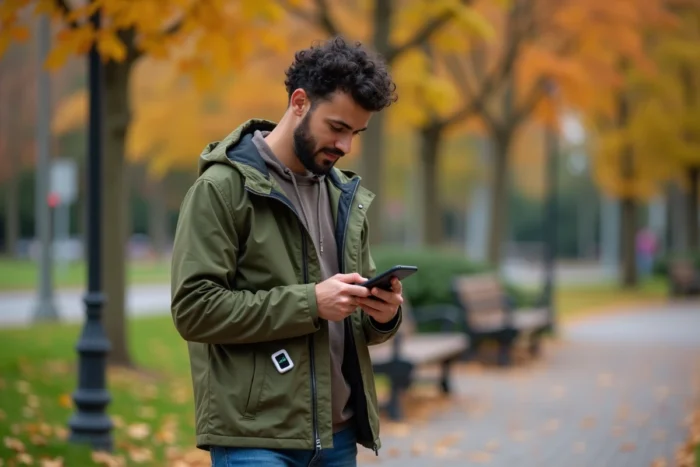
Diabetes innovations 2026: where does 123santemag stand against medical advancements
The landscape of diabetes treatment in France is evolving rapidly. About 4 million French people live with diabetes, the vast majority with type 2 diabetes. Treatments based on GLP-1 agonists (semaglutide, tirzepatide) are transforming management by combining glycemic control and weight loss.
In this context, a coaching application like 123santemag does not replace medical treatment. It positions itself as a complement, focusing on therapeutic education and behavioral monitoring. However, recent innovations in continuous glucose sensors and certified medical applications (digital medical devices in the regulatory sense) create a technological gap.
Certified medical device apps sometimes benefit from reimbursement by health insurance, which radically changes the economic equation for the patient. At this stage, 123santemag does not seem to have this status. User feedback varies on this point, and the publisher has not publicly communicated about any potential certification process.
What this means for choosing an application
The choice of a diabetes tracking application should not rely solely on online reviews or the price of the monthly subscription. The fundamental question is whether the tool integrates into a coordinated care pathway with the treating physician or endocrinologist.
An application that does not share its data with the healthcare professional, or that does not connect to the measurement devices used by the patient, remains an isolated tool. For individuals on insulin or treated with GLP-1 agonists, synchronization with a glucose sensor is a determining selection criterion, much more than the quality of educational content alone.
The diabetes app market in 2026 is structured around this dividing line: on one side, digital medical devices integrated into the care pathway; on the other, coaching and therapeutic education programs. 123santemag falls into the latter category, which does not diminish its potential usefulness but clearly frames the expectations to have from it.